Colloquially, many know GTIN as a barcode, but technically, GTIN is the number found beneath the barcode symbol itself, and can therefore also be used for other technologies such as 2D barcodes and RFID tags.
REMA 1000 is now expanding its collaboration with GS1 Denmark to strengthen data quality across the value chain. With the implementation of GS1Trade Sync and GS1Trade Packaging, both REMA 1000 and their suppliers gain a common foundation for exchanging product and packaging data – based on GS1 standards.
From January 1, 2026, the solution will become the standard framework for how REMA 1000 collaborates with its suppliers on product information.
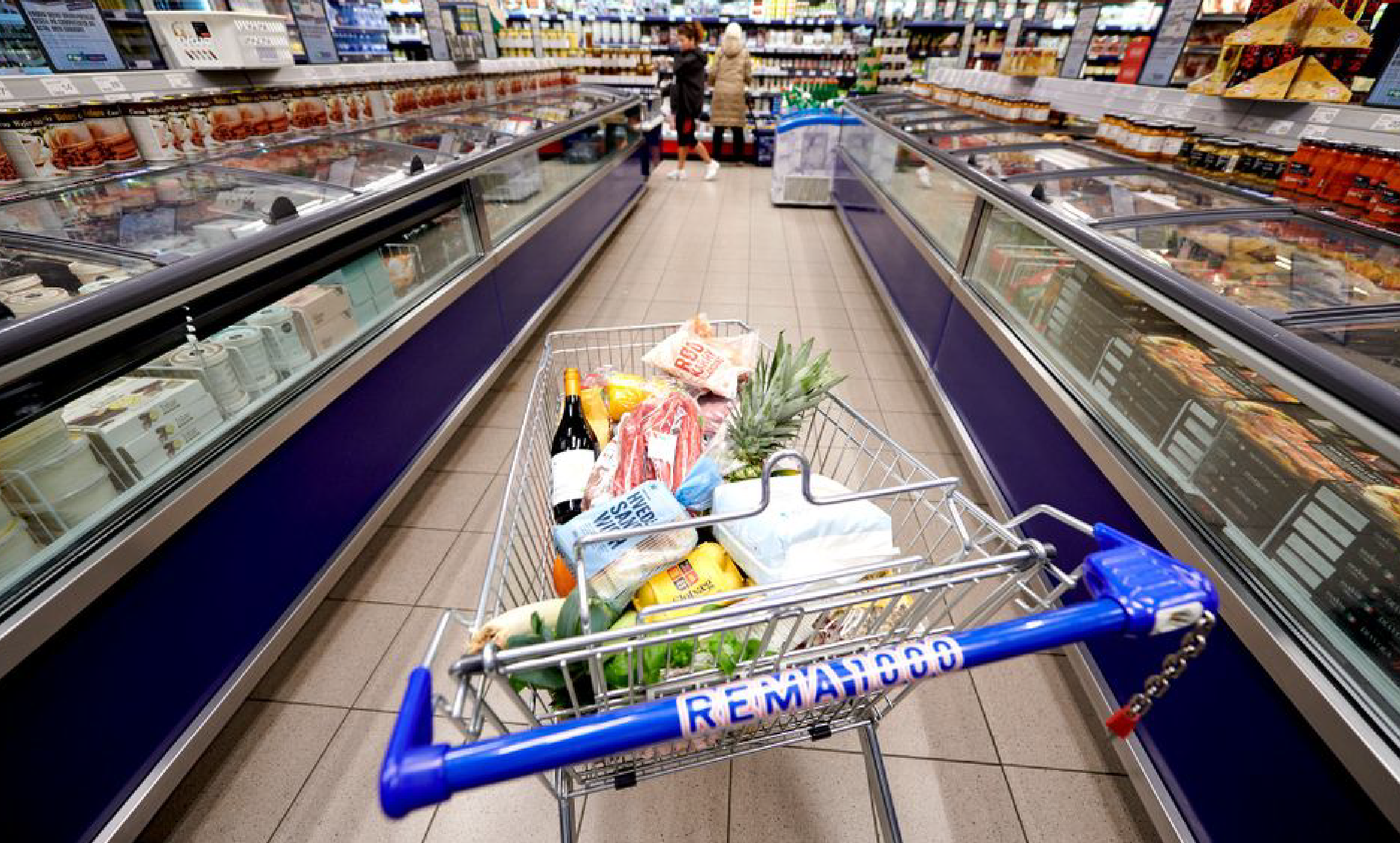
"We want to make collaboration with our suppliers as simple and efficient as possible. By using GS1Trade Sync and GS1Trade Packaging, we all work from the same standards and concepts. It gives us a common language, reduces the risk of errors, and improves data quality," says Charlotte Vig Kiær from REMA 1000 Distribution.
According to Charlotte Vig Kiær, the initiative is about dialogue and a shared direction:
We only succeed if we work together. Our approach is built on collaboration and dialogue, not demands. By using the same systems, we can communicate more clearly and spend our time on what creates value. Instead of fixing errors in spreadsheets, we can focus on developing our partnership and strengthening the data foundation together with our suppliers.
For REMA 1000, accurate data is essential for ensuring that goods move smoothly from supplier to store.
"Data quality means everything to us. When we have control over product and packaging data, we avoid errors and wasted time. That is why we prioritize quality from the start and use standards that make it possible to share and use data consistently across the entire industry," explains Charlotte Vig Kiær.
The transition to the new shared solution is taking place in close cooperation with suppliers and GS1.
"We already have many productive dialogues underway, and most people quickly see the benefits of a shared platform. We provide ongoing information, support, and guidance to make the transition as easy as possible. GS1 Denmark assists with onboarding and training, and we share experiences and best practices along the way. The most important thing for us is that we tackle this task together, as that creates the most value for everyone," says Charlotte Vig Kiær.
Read more about what you need to do as a supplier to REMA 1000

GS1Trade Image provides professional marketing and planogram images that meet retailers' requirements and imaging guidelines.
If you want to create your own product photos, we can also help you get certified.

GS1Trade Sync is a data pool for product data exchange that your trading partners can access.
GS1Trade Sync streamlines data exchange between trading partners because data only needs to be entered in one place. This increases the quality of product data and creates value for you - and the entire value chain.

GS1Trade Packaging is a packaging data system that gathers your packaging data in one place. The system ensures efficient collection, structuring, and declaration of packaging data, and makes it easy to exchange packaging data with other companies.

GS1Trade Exact ensures the quality of your product data. All physical products are checked against the data registered in GS1Trade Sync.
With this service, you get verified and quality-assured data that benefits the entire supply chain.

GS1Trade Transact handles the digital receipt of orders and the sending of documents to your customers. You can choose whether to integrate it with your financial system or access it online.

GTIN (also known as EAN) stands for “Global Trade Item Number” and is the number sequence shown beneath a barcode symbol.
GTIN (EAN) is a global standard used to uniquely identify digital and physical products, allowing the barcode to be scanned anywhere in the world throughout the supply chain.

A GLN (also known as EAN) allows you to uniquely identify physical, functional, legal, or digital entities. This can include the sender, receiver, buyer, seller, supplier, manufacturer, delivery location, billing location, store, or internal departments.