GTIN
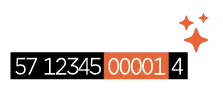
Colloquially, many know GTIN as a barcode, but technically, GTIN is the number found beneath the barcode symbol itself, and can therefore also be used for other technologies such as 2D barcodes and RFID tags.
Colloquially, many know GTIN as a barcode, but technically, GTIN is the number found beneath the barcode symbol itself, and can therefore also be used for other technologies such as 2D barcodes and RFID tags.
For many years, barcodes had a single purpose: to identify a product at the checkout. Today, however, businesses and consumers need much more product information.
With 2D barcodes from GS1, a single barcode can connect your product to retail, the supply chain, and digital consumer experiences, and unlock new opportunities for your business.
A traditional barcode contains just one piece of information: A product number.
But businesses are increasingly facing demands for more product information, better traceability, sustainability documentation, digital consumer experiences, and more.
All of this is enabled by 2D barcodes with GS1 Digital Link.
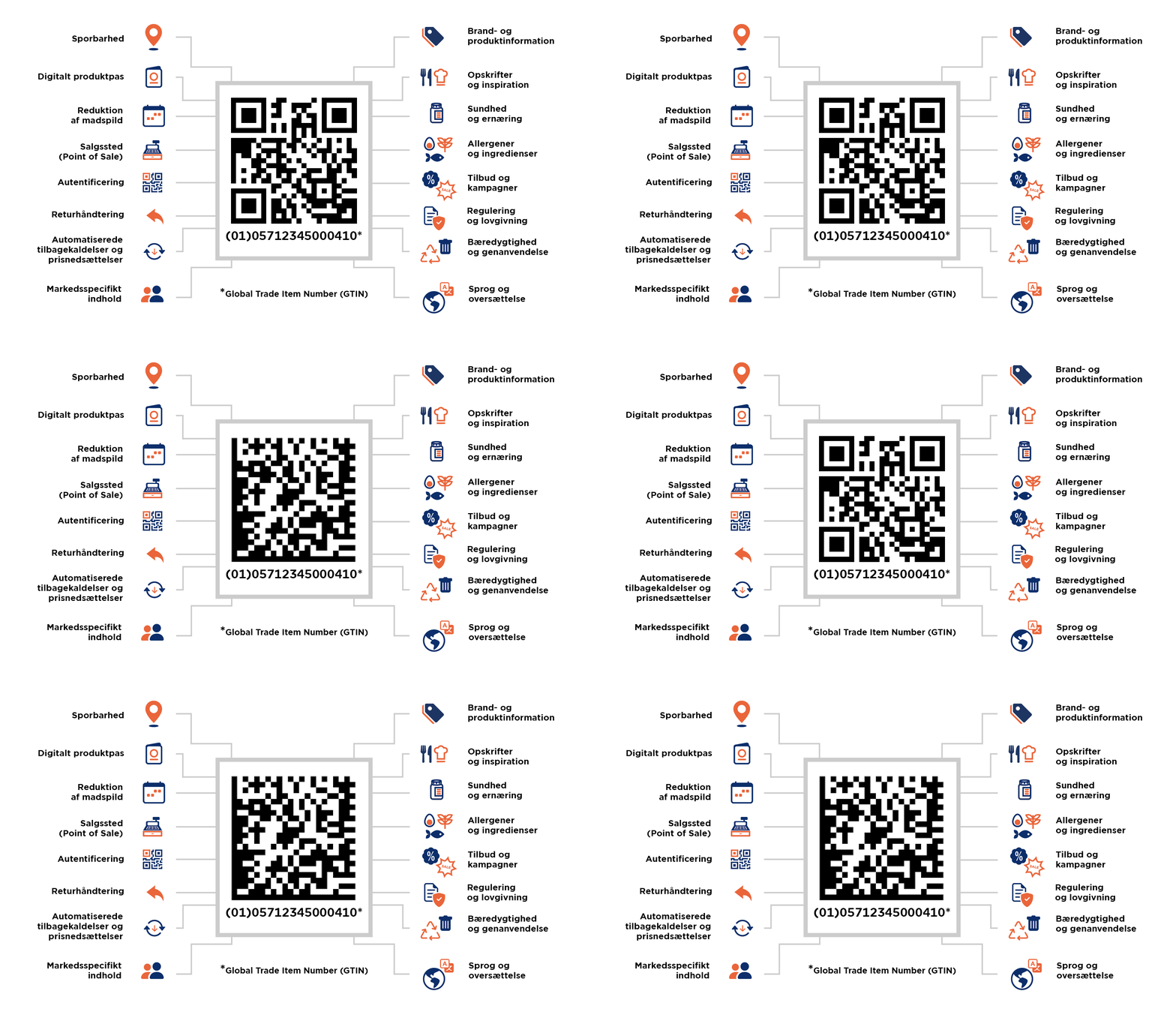
Start with your need – not the technology
Find the scenario that best suit your situation and see how 2D barcodes can help you - and what you have to be aware of moving ahead.
I need to meet new documentation requirements
Make documentation and product information digitally accessible.
2D barcodes and GS1 Digital Link can provide access to safety information, certificates, material data, instructions for use and other documentation – without having to fit everything on the packaging.
I want to provide customers with more product information
Give customers more information and inspiration – directly from the product.
With a 2D barcode, you can connect the physical product to digital content such as product information, recipes, instructions, campaigns and information about its origin.
I want to optimize retail and the supply chain
Make more data available throughout the product journey – from manufacturer to checkout.
A 2D barcode can contain data such as batch/lot numbers, dates and serial numbers, helping support traceability, date management, recalls, warehouse processes and smarter processes at checkout.
I work with sustainability and circularity
Make information about materials, recycling and the product lifecycle easier to access.
Through the product's 2D barcode, you can link to continuously updated information about materials, sorting, repair, recycling and Digital Product Passports.
Imagine your barcode not only identifying a product, but also opening up a digital world of product information.
That’s the idea behind GS1 Digital Link.
Learn more about your options and how it works in the video.

4 min
Verdens største virksomheder skifter fra stregkoder til QR-koder for bedre forbrugerdata.
6 min
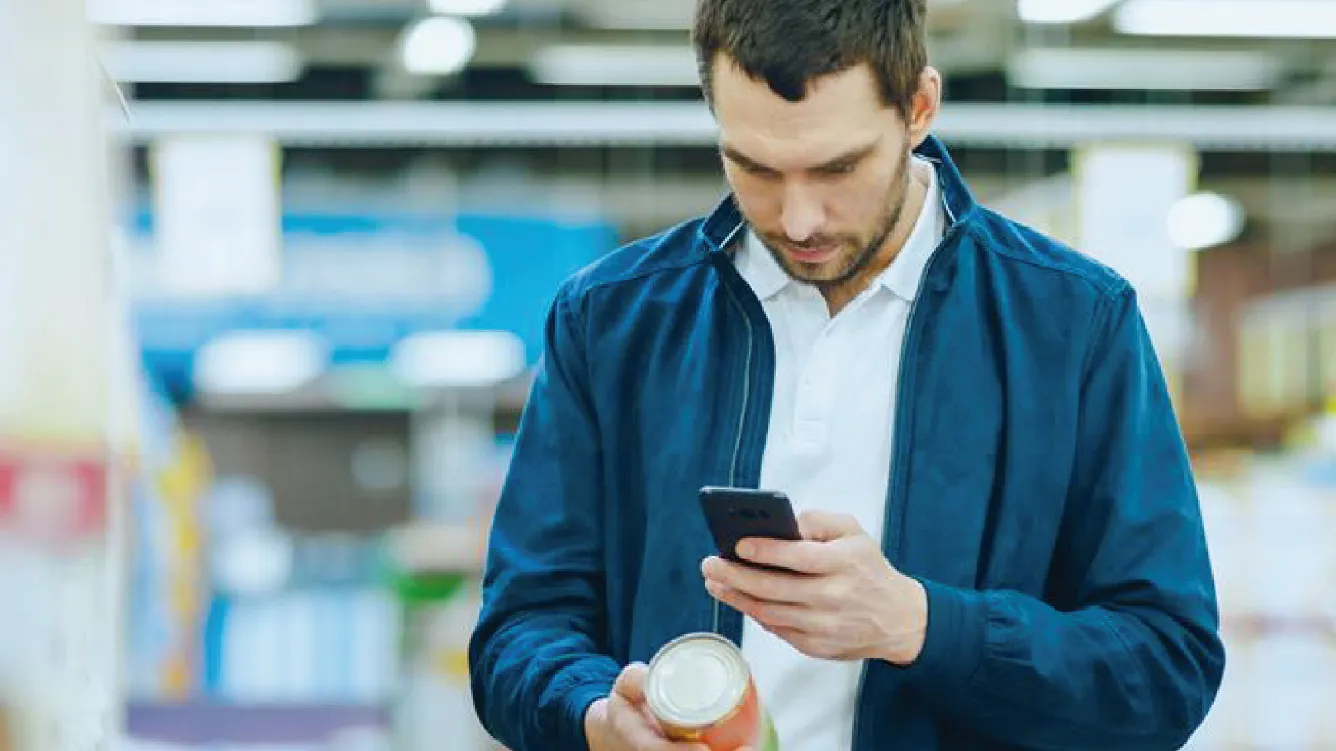
Forbrugere efterspørger i stigende grad mere og bedre information om de produkter de køber. Detaljerede produktdata spiller en afgørende rolle.
8 min
Madspild er en udfordring så stor, at den har fået sit eget delmål blandt FN’s verdensmål.
In GS1Trade Activate, you create your 2D barcodes and the associated GS1 Digital Link.
Follow these four steps to get started with the next generation of barcodes.
1. Create GTIN

2. Create GS1 Digital Link

3. Generate a 2D barcode
(QR-kode or DataMatrix)

4. Test and implement on packaging
Meet our members
From recipes to reduced food waste: Read why Rema 1000 is adopting 2D barcodes, and about the technology's ability to improve traceability, cut down on food waste, and provide customers with a more informative shopping experience.

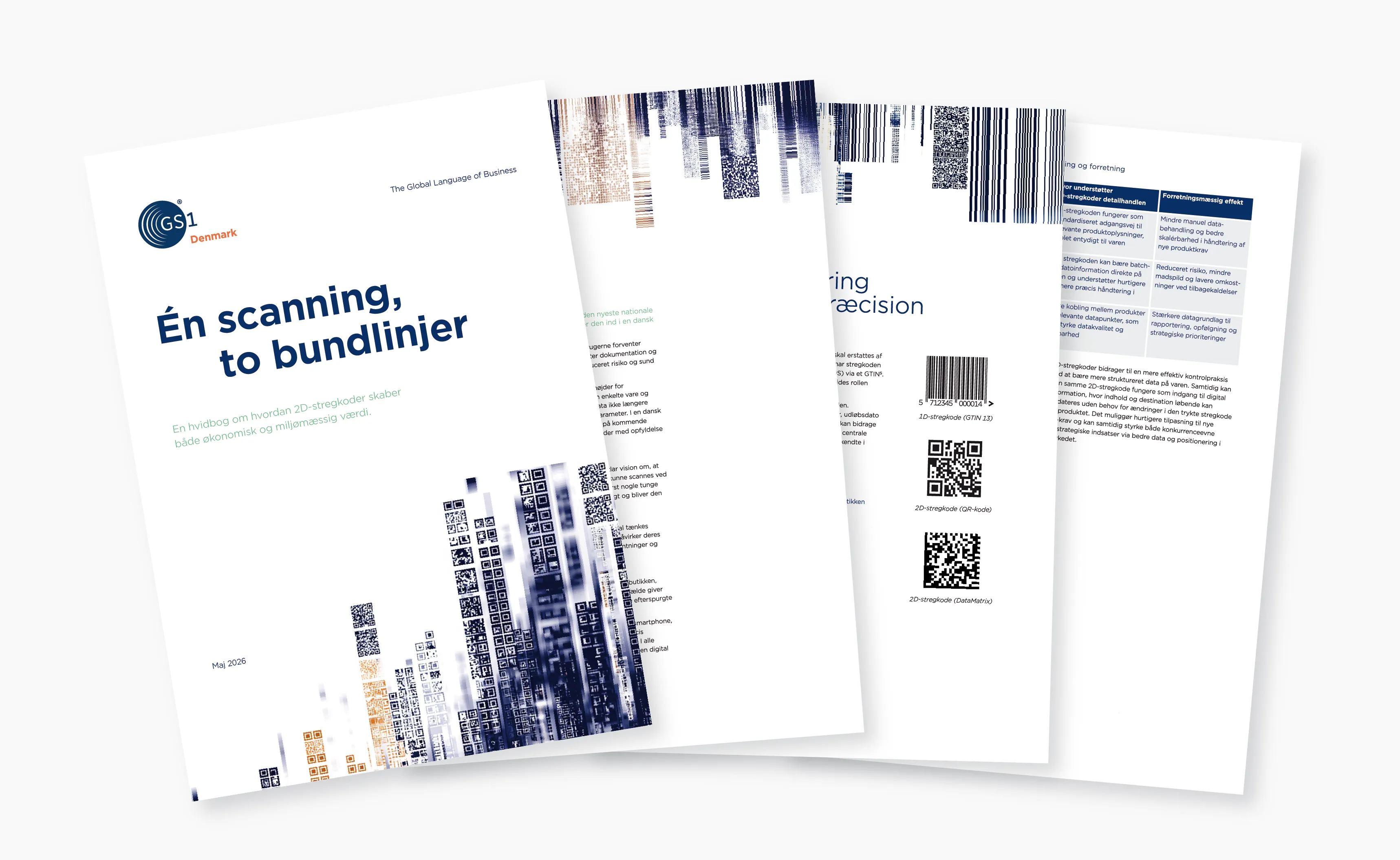
GS1 Denmark helps companies get started with 2D barcodes and GS1 Digital Link. Below, you’ll find guides on how to get started, access to webinars on 2D, and answers to frequently asked questions.
You can always contact us if you need personal guidance.