


GTIN
Colloquially, many know GTIN as a barcode, but technically, GTIN is the number found beneath the barcode symbol itself, and can therefore also be used for other technologies such as 2D barcodes and RFID tags.
Colloquially, many know GTIN as a barcode, but technically, GTIN is the number found beneath the barcode symbol itself, and can therefore also be used for other technologies such as 2D barcodes and RFID tags.
GS1 standards optimise processes related to goods dispatch and receipt, transport management, warehouse management, and procedures at border crossings. Shipments of goods move from factories or warehouses to stores, restaurants, or hospitals.
When your products are marked with a GS1 standard, such as a GTIN, pallet label, or UDI, they are traceable and transparent - no matter where in the world they are located or in what context they are used.
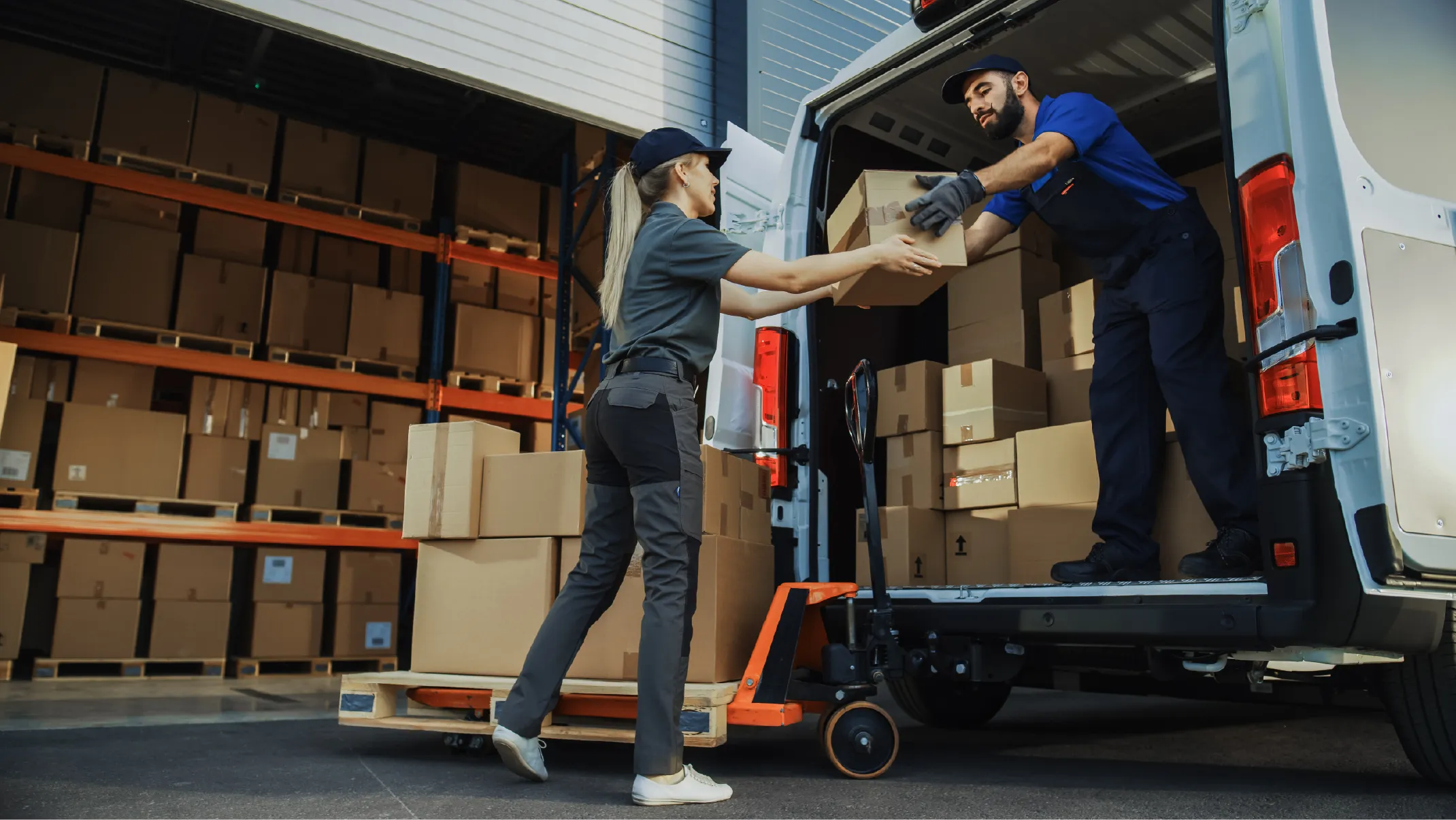
Shipments of goods arrive from factories or warehouses and are forwarded to stores, restaurants, or hospitals.That is why you need GS1 labels to ensure efficient and accurate dispatch and receiving processes, identify products, and share trade information with your trading partners.

You can simplify the complex world of transport management by using our standards – especially our Logistic Interoperability Model (LIM), which ensures that everyone involved in the transport and delivery process can share information and work together.

With GS1 labelling, the management of incoming and outgoing products becomes more efficient, and traceability ensures that inventory information is accurate and up to date. At the same time, you can easily reduce or increase stock levels and optimise the bundling of deliveries – without manual errors or wasted resources.

Keeping track of transport and logistics equipment can be challenging - especially if records have to be updated manually. Our standards not only identify individual pieces of equipment, but also track them across different locations to ensure they are in the right place at the right time.

Any imported container or pallet can potentially pose a threat to consumer safety due to counterfeiting, smuggling, attacks, or terrorism. Our standards provide information about your products at every stage of the supply chain, enabling border officials to easily determine how to handle your shipment.
We have collected a number of relevant cases that are relevant for you working with transport and logistics.

GS1 Denmark collaborates with stakeholders from various industries through Sector Boards to ensure that our standards remain relevant and value-creating.
In these forums, needs are identified, knowledge is shared, and recommendations are developed to strengthen data quality, efficiency, and compliance across the value chain.
If you have any questions about how you can use GS1 standards and services in the transport and logistics sector, feel free to contact us. We are here to guide you well through the process.


