Colloquially, many know GTIN as a barcode, but technically, GTIN is the number found beneath the barcode symbol itself, and can therefore also be used for other technologies such as 2D barcodes and RFID tags.
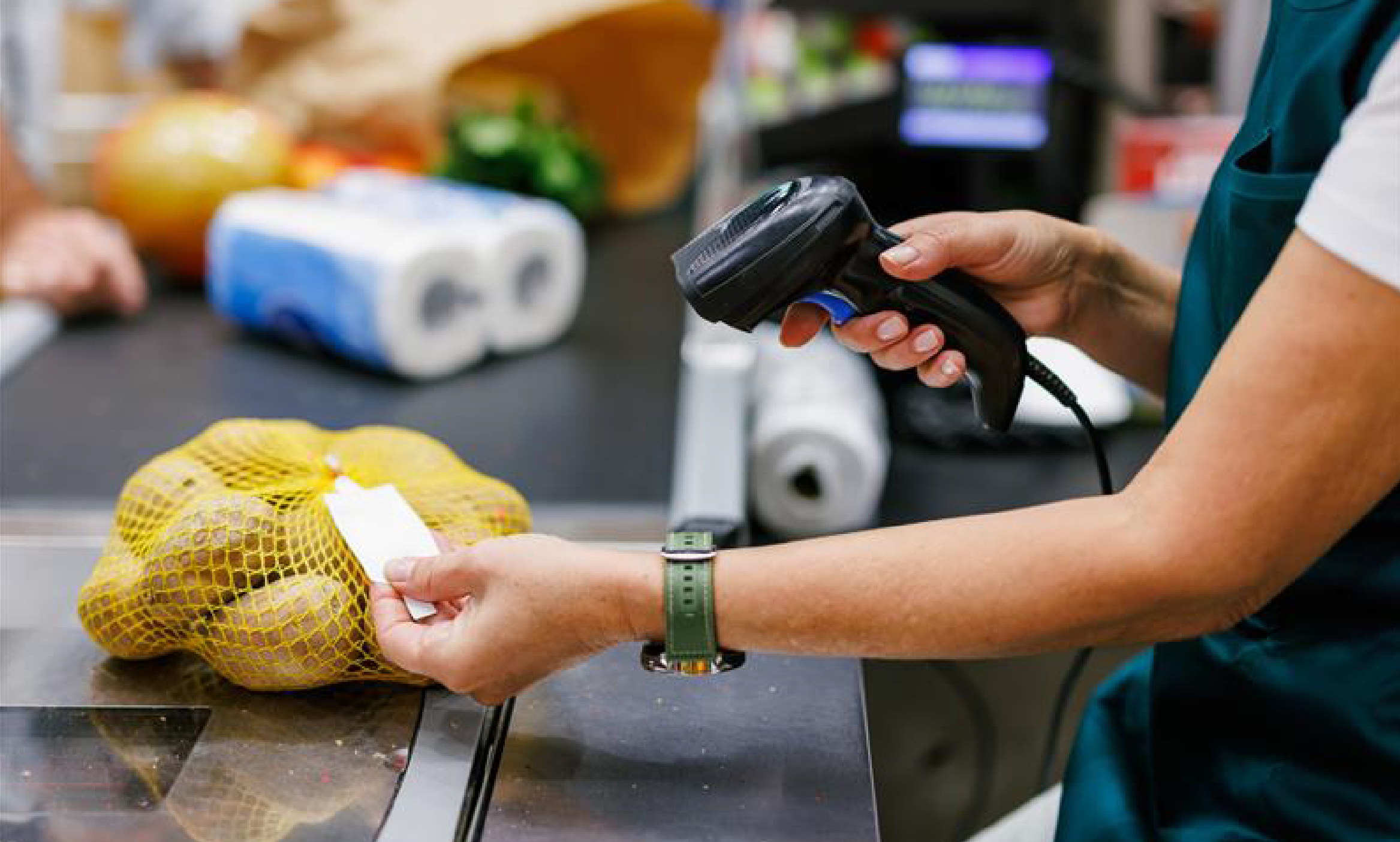
The classic barcode, which has been the backbone of global trade for decades, is under pressure. The explosive growth in the number of product variants in recent years, particularly within the food sector, means that the barcode system is now approaching a critical capacity limit. If this trend continues, we will soon run out of barcodes, according to the barcode organization GS1.
Gluten-free, vegan, lactose-reduced, sugar-free, plant-based, climate-friendly, limited edition… There is no shortage of promotional terms when walking through the supermarket. And it turns out this has a hidden downside.
Every time a new product variant is launched, it must have a new and unique barcode number. With the recent focus on both climate and dietary considerations, this has created a new global challenge in our world.
This is according to the organization GS1, which manages and develops the global barcode system on a daily basis.
“As the supply of products in general, and the number of product variants in particular, has increased so dramatically in recent years, our global barcode generator has been put under immense pressure,” says Toke Mølgaard, Communications Manager at GS1 Denmark.
According to official rules, all products must carry a unique barcode number so that trading partners can keep track of goods. But where a soft drink, for example, used to usually just have one regular and one diet version, the range of products has exploded.
”If this development continues, we will simply run out of barcodes, which would send us back to the days of price tags,” says Toke Mølgaard ominously.
If this trend continues, it could theoretically have consequences for the entire value chain – even right at the checkout counter.
This could, for example, mean that an item is sometimes registered as something else.
“As pressure on the system increases, situations may arise where items are occasionally registered incorrectly. We therefore recommend that consumers take an extra look at their receipts in the coming period.,” says Toke Mølgaard.
Fortunately, the solution to this global challenge may already be within reach.
The next generation of barcodes is waiting in the wings. They are called 2D barcodes, better known as QR codes and DataMatrix codes. The barcode organization GS1 has been developing them for several years and is actually ready to launch them on the market right now.
These new barcodes can contain far more information for the benefit of both consumers and businesses.
E.g.:
“The good news is that we have a technology that not only solves the capacity challenge – but also creates value for businesses, consumers, and society alike,” says Toke Mølgaard.
GS1 encourages companies to start preparing now for the transition to 2D barcodes, such as QR codes and DataMatrix. This transition not only provides access to more unique barcode numbers – it also makes it possible to consolidate far more information into a single code that can be scanned both at the checkout and with a smartphone.
“If you want to be sure to get some of the last traditional barcodes, it is now or never. The deadline is April 1, 2027,” is the call to action – with a smile – from GS1 Denmark.

GS1Trade Image provides professional marketing and planogram images that meet retailers' requirements and imaging guidelines.
If you want to create your own product photos, we can also help you get certified.

GS1Trade Sync is a data pool for product data exchange that your trading partners can access.
GS1Trade Sync streamlines data exchange between trading partners because data only needs to be entered in one place. This increases the quality of product data and creates value for you - and the entire value chain.

GS1Trade Packaging is a packaging data system that gathers your packaging data in one place. The system ensures efficient collection, structuring, and declaration of packaging data, and makes it easy to exchange packaging data with other companies.

GS1Trade Exact ensures the quality of your product data. All physical products are checked against the data registered in GS1Trade Sync.
With this service, you get verified and quality-assured data that benefits the entire supply chain.

GS1Trade Transact handles the digital receipt of orders and the sending of documents to your customers. You can choose whether to integrate it with your financial system or access it online.

GTIN (also known as EAN) stands for “Global Trade Item Number” and is the number sequence shown beneath a barcode symbol.
GTIN (EAN) is a global standard used to uniquely identify digital and physical products, allowing the barcode to be scanned anywhere in the world throughout the supply chain.

A GLN (also known as EAN) allows you to uniquely identify physical, functional, legal, or digital entities. This can include the sender, receiver, buyer, seller, supplier, manufacturer, delivery location, billing location, store, or internal departments.