|


GTIN
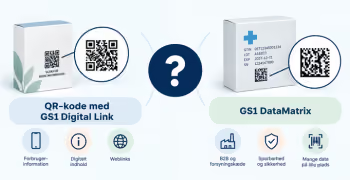
Colloquially, many know GTIN as a barcode, but technically, GTIN is the number found beneath the barcode symbol itself, and can therefore also be used for other technologies such as 2D barcodes and RFID tags.
It is not always easy to determine when an existing product needs a new GTIN. Here is an overview of what you need to be aware of and which changes to a product may require a new GTIN.
When determining whether your product needs a new GTIN, there are three questions you should consider:
If the answer is yes to one or more of these questions, the product should generally have a new GTIN.
Otherwise, the change may create unnecessary problems for both trading partners and consumers.
Here are examples of situations where a product needs a new GTIN:
Are you unsure whether a change to your product requires a new GTIN?
Try our GTIN Management tool, which helps you find the answer through simple questions and explanatory illustrations.
Try the GTIN Management tool (in English).
If you are still unsure whether your product requires a new GTIN, you are welcome to contact us.
Please note, however, that as a company, you know your products and supply chain best. We can therefore provide guidance based on the GS1 GTIN Management Standard, which both this guide and our GTIN Management tool are based on.
Read the full GTIN Management Standard (in English).
Local legal and regulatory requirements always take precedence over the GS1 GTIN Management Standard. The standard sets minimum requirements, and stricter rules may therefore apply in individual markets that must be complied with.
Do you still need help? Reach out to our support team. We are always ready to help.