5 min.
How barcodes ensure the correct medicine is distributed
Text
Casper Hindse
Photo:
Erik Nylund
GS1 systems are the path to better safety
The global fight against counterfeit medicine has intensified, and barcodes play a central role. While Scandinavia has high pharmaceutical safety, this is far from the case in parts of Asia and Africa. Action is needed. Read Jesper Kervin Franke's story about how the path to better safety works with GS1 systems.
1. The barcode is unique
Every single barcode has a unique data combination that is protected and subject to specific security checks. More and more pharmaceutical markets are implementing this mindset. GS1 provides a DataMatrix barcode, which has significantly greater data capacity than the 'picket fence' barcode seen on many products today.
- To the untrained eye, the barcode may look like a QR code, but they are actually two very different types of barcodes, says Jesper Kervin Franke.
2. Systematization starts with the manufacturer
At manufacturers like Novo Nordisk, Lundbeck, or others, medicine is produced that can help the sick recover or improve people's lives in general. The medicine is placed in a box, which is labeled with a DataMatrix barcode, and from there, the systematization begins. The manufacturer collects a range of data about each individual medicine package, which will be used later in the handling of the packages.
3. DataMatrix keeps track of safety
DataMatrix barcodes contain the expiration date and batch number. The expiration date can be used to ensure that a pharmacist or an individual hospital employee does not dispense medicine that has expired. Medicine consists of several tiny components. The batch/lot number is used to keep track of which raw materials were used to produce the medicine in the box.
- When, for example, Lundbeck replaces a box from a subcontractor, they also immediately update the number that identifies the individual components in a pill. A few years ago, when a pharmaceutical company was notified that one of the components was defective, there would be nothing to do but recall the past few weeks' shipments and apologize. That is no longer the case. Today, individual components can be effectively tracked via batch/lot numbers using barcode registration, Jesper explains.
4. EU requirements for delivery and receipt
Already at the point of delivery, the barcode helps ensure that the correct medication is received by a pharmacist or hospital pharmacy. The barcode clarifies what the package contains, while EU requirements dictate that the box must not be openable and reclosable without it being clearly visible. This ensures that no one with malicious intent could have tampered with the medicine or copied it into something that could 'just' be sold.
5. Security verification via a serial number
Every single package sent out contains a unique and randomly generated serial number in the barcode. This is absolutely crucial because information and data are collected and used to see which packages have been released. The pharmacist uses the barcode, including the serial number, to verify that the product comes from the manufacturer.
- In other words, no packages are distributed where the manufacturer is not behind the serial number. Just three years ago, criminals could buy a box and put it into production with something that looked like the real thing, but that is no longer possible because you cannot bypass the system due to the specific IDs that the serial number guarantees for every single box, says Jesper.
6. Robot technology increases efficiency
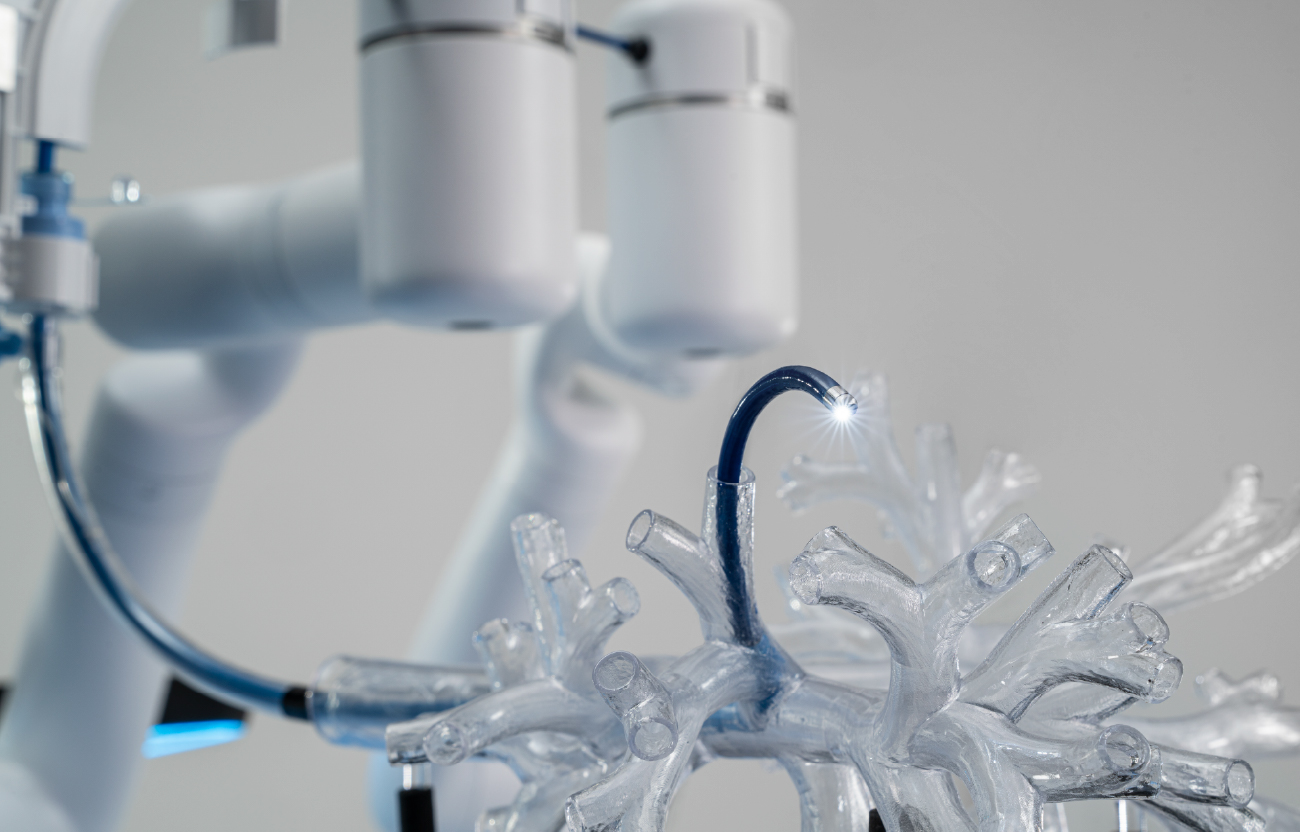
A side benefit of ensuring that medicine on the global market is genuine is that we are moving toward more efficient and digital systems. At Aarhus University Hospital and Akershus University Hospital, they already have pharmacy robots that receive prescriptions and then quickly dispense the medicine into packages before it is sent out to the wards. When the staff fills the robot, they use barcodes, and the machine also prints barcodes with information for the nurses about the product and which patient should receive what.
7. Patient safety
Nurses also use the barcode to ensure that the right medication in the right dosage is given to the right patient at the right time.
- It is important for patient safety to prevent so-called 'mix-up errors'. The majority of adverse events occur during the handling of medication, and barcodes can help ensure fewer errors, Jesper explains.


It is important for patient safety to prevent so-called 'mix-up errors'. The majority of adverse events occur during the handling of medication, and barcodes can help ensure fewer errors.