8 min.
4.4.2023
Why a deposit on your coffee cup can be a step towards a more sustainable future
Text
Casper Hindse
Photo:
Kasper Løftgaard
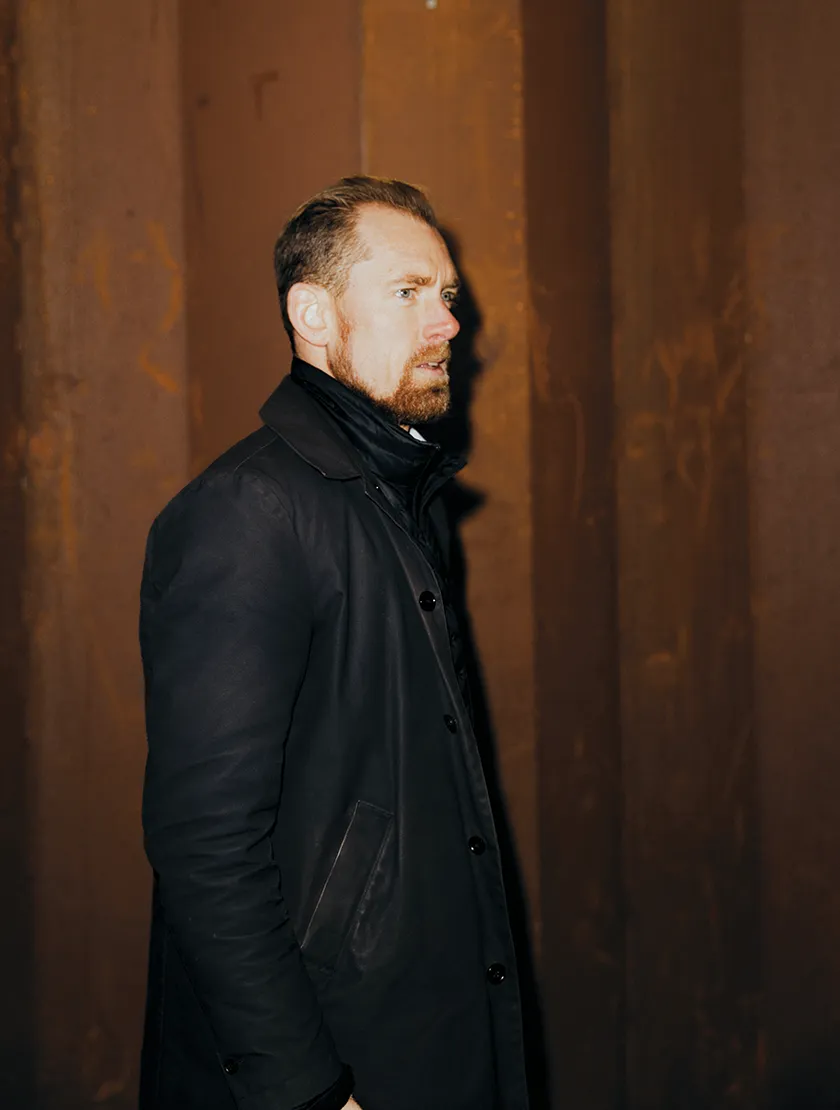
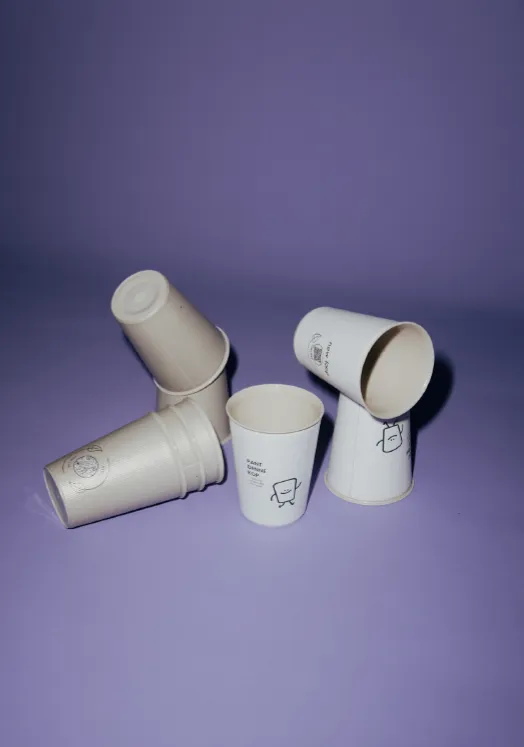
The idea for New Loop emerged in 2019, when Anders Barsøe, then CEO of Letz Sushi, and multi-artist Anders Morgenthaler wanted to create a more sustainable coffee cup. Today, they have expanded the concept to include washable, reusable packaging in a return system that could eventually cover all types of packaging. There is a specific reason for this.
"The amount of waste left behind by takeaway food is almost vulgar," says Chairman of the Board Anders Barsøe. "We know how to return our deposit bottles, so why not have a deposit system for packaging as well? Something has to be done about it."

NEW LOOP
- Has existed since June 2020.
- Anders Barsøe and Anders Morgenthaler launched the project after a walk in Amager Strandpark, where their visions became concrete.
- Among the shareholders are companies such as Letz Sushi, Prolog Coffee, and Grød.
- In 2021, New Loop completed a major pilot project with 7-Eleven during the People's Meeting (Folkemødet).
- New Loop has won the DIF Innovation Lab's Challenge: GREEN SPORT.
Philanthropic project
Dansk Retursystem took a good 30 years to get more than 90 percent of purchased deposit cans and bottles back into the machines. New Loop is in a hurry, because the world does not have 30 years to establish a return system for packaging.
"While you can get one krone for a can at Netto, we have put a five-krone deposit on our coffee cup. The incentive to return the cups needs to be more significant," says Anders Barsøe.
New Loop already has several strong partners. The airline DAT is a permanent partner, and in Copenhagen, you can drink coffee from them at Prolog and Original Coffee. Large companies have also started to adopt the concept.
"Every single day, we have customers contacting us. It ranges from smaller companies to Domino’s Pizza, who want a reusable pizza box. We are in the process of creating that now," says Barsøe.
Standardized systems
New Loop combines idealism with a business model that must work in practice. "When 50 percent of the waste in the trash cans in Aarhus C is takeaway packaging, we have to do something," says Chairman of the Board Anders Barsøe.
"I want to make a difference in the world, but you can't do that without making money. While Anders Morgenthaler is truly visionary regarding sustainability, my focus is on finding the compromises that make things succeed. There has been some hesitation from the political side when it comes to reusing packaging, which is why we are also focusing on corporate partnerships."
New Loop partners with companies like Wolt, Letz Sushi, and Domino’s to make reusable packaging a natural part of consumers' everyday lives.
They can help us make it second nature for customers to return their packaging and receive their deposit digitally. It needs to be easy to see which cups or pizza boxes have been returned and which are still in circulation. This is where we need barcodes like those provided by GS1.
GS1's knowledge of global standards is vital for a startup like ours because they possess such specific expertise that we don't have – and fortunately, GS1 isn't afraid to share their experience with us. Instead of having to invent everything ourselves on our path to growth, we have been able to reach out to GS1 and use their know-how to quickly advance our vision, says Anders Barsøe, Chairman of the Board at New Loop.
Beyond the obvious cost savings for a startup in being able to share and acquire knowledge in a complex field like standards and barcodes, these standardized systems also mean that New Loop may soon be ready for the global market.
One of the really great things about GS1 is that they don't keep to themselves. GS1 referred us to PSQR, who really know their stuff when it comes to handling software.
A barcoded future
In 2025, a new European producer responsibility law will come into effect, making sellers responsible for the full lifecycle of their packaging. Increased product registration could potentially make a deposit system for sustainable products even more essential.
We want smartphones to be able to read barcodes on our products to streamline workflows for producers, sellers, and buyers alike. We need to track a great deal, and that is where GS1 provides excellent solutions. There are plenty of people in the world who can create QR codes, but few who can register and assist as precisely as we have experienced with GS1, says Anders Barsøe.


Software behind a sustainable cup
GS1 Denmark has facilitated a partnership between New Loop and the company PSQR, which provides software for traceability. The QR codes ensure that the deposit system works, making it sustainable and preventing loss.
When something moves from A to B to C to D, our database is the place where you can register and stay updated. It is possible to look up a product's journey, explains Christian Lindberg, Customer Solutions Advocate at PSQR, and continues:
You could say that the deposit pays for the party, which is why you must be able to activate and deactivate a cup so that it cannot be tampered with. At some point, the cup is scanned upon return so the deposit is refunded, and finally, the cup is registered for washing until it is ready for use again.